
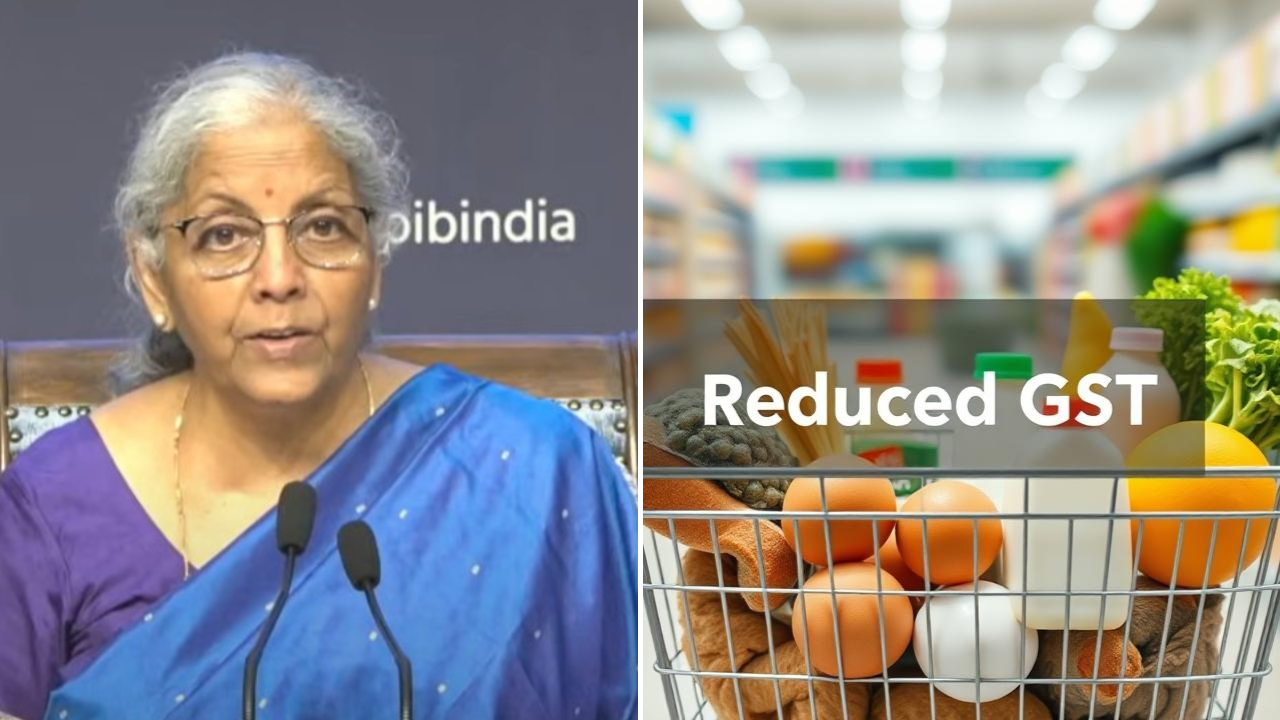
In a significant overhaul of India’s Goods and Services Tax (GST) system, the 56th GST Council meeting, chaired by Finance Minister Nirmala Sitharaman on September 3, 2025, approved sweeping tax reforms to simplify the structure and stimulate consumption. Starting September 22—the first day of Navratri—India will transition from a convoluted four-slab system to a clearer two-tier framework, with an additional elevated slab for luxury and sin goods. This will streamline compliance, provide relief to consumers, and support key economic sectors.
From Four Slabs to Two Plus “Sin Tax”
What Changed?
-
The existing four-tier GST slabs (5%, 12%, 18%, and 28%) have been consolidated into two primary rates: 5% and 18% for most goods and services.
-
A new 40% “sin and luxury” slab has been introduced for high-end and demerit goods.
-
Deliberate exemptions include: no GST on individual life and health insurance policies.
-
Tobacco products, cigarettes, pan masala, and similar items will temporarily continue under 28% GST plus compensation cess until certain loans are repaid, after which they’ll migrate to 40%.
inspireinfluencer.com | thewordstarter.com | ainfluencersgonewild.com
socialmediagirlsforum.org | llookwhatmomfound.com | yandex-games.org
What’s Cheaper—and What’s Not?
Reduced Rates (5% or Nil)
-
Essential food items—like UHT milk, paneer, chena, Indian breads—will now attract 0% GST.
-
Everyday consumer staples—such as hair oil, soaps, shampoos, toothpaste, toothbrushes, tableware, and kitchenware—have been moved into the 5% bracket.
-
Most items previously taxed at 12% (around 99%) will now fall under 5%, including natural menthol, fertilizers, handicrafts, marble, etc.
-
Life-saving drugs—including 33 key medicines and cancer treatments—are now GST-exempt or shifted to nil, while others moved from 12% to 5%.
-
Items such as namkeen, pasta, chocolates, butter, ghee, coffee, preserved meats, and more shifted from 12% or 18% to 5%.
Standard Rate (18%)
A majority of goods previously in the 18% slab remain, but many in the 28% group are shifted down to 18%:
-
Consumer durables and electronics: air conditioners, televisions over 32″, dishwashers—all move from 28% to 18%.
-
Automobiles: small cars (petrol ≤1200cc, diesel ≤1500cc, sub-4 m length) are now taxed at 18%. Larger vehicles now face 40%.
-
Motorcycles up to 350cc: 18%. Above 350cc: 40%.
-
Commercial vehicles and parts: buses, trucks, ambulances, three-wheelers, and auto parts have moved from 28% to 18%.
-
Other upgrades to 18% include cement and construction materials.
Increased Rates (40%)
The new 40% slab applies to:
-
Pan masala, gutkha, chewing tobacco, cigarettes.
-
Carbonated and caffeinated beverages with added sugar.
-
Luxury automobiles—cars exceeding 1200cc (petrol) or 1500cc (diesel), longer than 4 m. Bikes above 350cc, yachts, helicopters, racing cars also taxed at 40%.
Rationale & Impact
Driving Consumption
With the rate rationalizations mostly reducing taxes on everyday goods, household expenses—especially for middle- and lower-income segments—will ease. Experts expect increases in consumption, particularly during the festive season (Diwali), bolstering demand for consumer goods.
Simplified Compliance
The streamlined two-slab structure simplifies tax classification, compliance, and refunds, boosting ease of doing business. The CBIC will initiate a 90% provisional refund system for inverted duty issues.
Economic Boost
Projections suggest these reforms could lift GDP growth by 100–120 basis points over a 4–6 quarter period. The stock market is already reacting positively, with benchmarks gaining ahead of the rollout.
State Revenues & Redistribution
The reforms are expected to cost central and state governments approximately ₹48,000 crore (~$5.5 billion), sparking concerns over fiscal stress—especially for revenue-dependent states like Kerala. Calls for compensation mechanisms are emerging.
Looking Ahead
-
Full implementation kicks off on September 22, 2025, with selective exceptions like sin goods pending.
-
Transitioning businesses must update tax systems, inventory classification, and pricing strategies—especially for items shifting slabs.
-
Opportunities span across sectors: FMCG, auto, electronics, health, and more, paving the way for stronger economic momentum.
Conclusion
India’s “GST 2.0” marks a bold fiscal reform—balancing simplicity, affordability, and consumer confidence. With essential goods seeing widespread tax relief and sin/luxury items taxed tougher, the overhaul promises to support growth, reduce compliance burdens, and ease citizen lives. While revenue implications remain, the inclusive design—aimed at easing living costs and reviving demand—is clear and timely.