
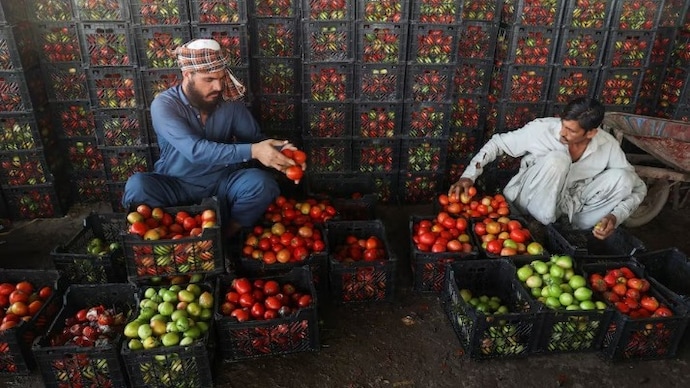
In a striking example of how geopolitical tensions can ripple into daily life, Pakistanis are now grappling with skyrocketing prices of essential commodities, particularly tomatoes. Over the past few weeks, tomato prices in Pakistan have surged by a staggering 400%, leaving ordinary citizens reeling. The sudden price hike has been linked directly to the ongoing tensions and recent military actions involving Pakistan and Afghanistan, which have disrupted cross-border trade.
The Root of the Crisis: Border Closures and Trade Suspension
The sharp rise in tomato prices coincides with the suspension of trade across key border crossings between Pakistan and Afghanistan. Since October 11, following escalating hostilities, several main trade points have been shut down. The blockade has effectively cut off the flow of essential goods, including fruits and vegetables, which traditionally moved freely between the two neighboring countries.
Tomatoes, a staple in Pakistani kitchens, are particularly affected because Pakistan relies heavily on imports from certain Afghan regions during off-season periods. The sudden halt in supply has caused a severe shortage in local markets, leading to price spikes that ordinary citizens find hard to bear.
A local vegetable vendor in Lahore explained, “Earlier, we could get fresh tomatoes from border towns at reasonable rates. Now, supplies have dwindled, and prices have quadrupled. Many families are struggling to afford even a basic meal.”
Why Tomatoes? Understanding Supply Chains
Tomatoes may seem like a simple commodity, but their supply chain is surprisingly complex. Pakistan produces a substantial portion of its tomatoes domestically; however, seasonal gaps often make imports necessary. Afghan tomatoes have historically helped fill these gaps, ensuring stable prices in Pakistani markets. With border trade frozen, domestic production alone cannot meet demand.
Moreover, tomatoes are highly perishable, which complicates storage and logistics. A shortage in supply quickly translates to higher prices because traders and vendors must cope with limited stock and increased transportation costs.
Economic and Social Impacts
The spike in tomato prices is more than a mere inconvenience—it reflects broader economic strains. Essential commodities like vegetables directly affect household budgets, particularly for middle- and lower-income families. With prices rising rapidly, many households are forced to either cut back on consumption or shift to cheaper, less nutritious alternatives, which can have long-term health consequences.
Economic experts point out that such price surges often have a cascading effect on inflation. When the cost of essential food items rises sharply, other sectors of the economy feel the pressure. For instance, food inflation can impact restaurant businesses, catering services, and small-scale food vendors who must adjust prices or reduce profit margins.
chipssoft.com | slotmurahlive.top | nurse-man.com
gobellyfat.com | nativefeeder.com
Linking the Crisis to Geopolitics
While economic factors explain part of the crisis, the underlying cause is geopolitical. Pakistan’s recent military operations in Afghanistan, which included air strikes in Kabul and other regions, have intensified tensions between the two nations. These military actions prompted Afghanistan to impose restrictions on Pakistani trade, including the closure of key border crossings.
The move highlights the interconnectedness of regional politics and daily life. Citizens, who had no part in political or military decisions, are now facing the direct consequences in the form of food shortages and inflated prices. Experts argue that this scenario underscores the importance of diplomatic engagement to prevent such disruptions.
The Human Cost
The human impact of soaring tomato prices is stark. Families in urban and rural areas alike are struggling to maintain their regular diets. Many households report that tomatoes, once a daily ingredient in curries, salads, and sauces, have become a luxury item. Street food vendors, who rely on affordable vegetables, are forced to either reduce portions or raise prices, driving away customers.
A housewife in Islamabad shared her frustration: “We used to cook tomato-based dishes three to four times a week. Now, I can barely afford one kilo for the entire week. It’s not just about tomatoes—it affects our whole cooking routine.”
Government Response and Market Measures
The Pakistani government is reportedly aware of the crisis and is monitoring the situation closely. Measures such as seeking alternative supply routes, encouraging domestic production, and regulating prices have been discussed, but no immediate relief has reached the markets. Some provincial authorities have urged vendors to avoid hoarding, which can worsen shortages and inflate prices further.
Analysts, however, caution that until the geopolitical situation stabilizes and trade with Afghanistan resumes, the price pressures on essential commodities are likely to continue. In the short term, citizens may have to adapt by using substitutes or cutting down on tomato consumption, though this is a temporary and unsatisfactory solution.
Lessons for the Future
The tomato crisis in Pakistan highlights a crucial lesson about economic resilience. Countries reliant on cross-border trade for essential commodities need diversified supply chains to mitigate the effects of sudden geopolitical disruptions. Domestic production must be strengthened, and alternative import channels should be explored to reduce vulnerability to external shocks.
Additionally, the situation underscores how political decisions at the national level can have direct, often harsh, consequences for ordinary citizens. It serves as a reminder that diplomacy and peaceful engagement with neighboring countries are not just matters of foreign policy—they are essential for economic stability and the well-being of the population.
Conclusion
The 400% surge in tomato prices in Pakistan is a stark reminder of how geopolitics can directly affect everyday life. With key border crossings closed due to ongoing tensions with Afghanistan, trade has been disrupted, and ordinary citizens are paying the price—literally. While government interventions and market adjustments may offer some relief, the situation underscores the need for long-term strategies to ensure food security and economic resilience in the face of political uncertainty.
Until a resolution is reached, Pakistani families may have to rethink their diets, vendors may need to adjust their business models, and policymakers must confront the complex interplay of trade, politics, and economics that lies behind something as seemingly simple as a tomato.